🪱 Turn kitchen scraps into black gold—effortlessly and sustainably!
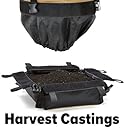
The Urban Worm Bag Worm Composting Bin Version 2 revolutionizes home vermicomposting with its patent-pending zipper-free bottom for easy harvesting, durable breathable 900D oxford fabric, and a spacious 5.3 cubic feet capacity that processes up to 4 lbs of organic waste daily. Designed for quick, tool-free assembly and continuous worm flow, it offers a clean, odor-free, and efficient way to transform household scraps into premium organic fertilizer—perfect for eco-conscious millennials seeking a sustainable lifestyle upgrade.
| Best Sellers Rank | #441,168 in Home & Kitchen ( See Top 100 in Home & Kitchen ) #116 in Indoor Compost Bins #24,493 in Kitchen Storage & Organization |
| Customer Reviews | 4.5 out of 5 stars 563 Reviews |
C**G
100% Must Have
This is the gold standard of home composting—hands down. The Urban Worm Bag is not just a product, it’s a lifestyle shift. I’ve tried bins, totes, DIY systems—you name it—and nothing compares to this setup. From day one, I knew this thing was built with intention and quality. The fabric is strong, breathable, and holds moisture at the perfect level. The airflow is excellent, which means no smells, no overheating, and a healthy worm colony that’s thriving. The zipper access makes harvesting castings ridiculously easy—no mess, no stress. Just unzip, scoop, and boom: black gold. Setup was a breeze. Once you get your bedding layered right (shoutout to coir, shredded paper, and crushed eggshells!), the Urban Worm Bag basically runs itself. Add scraps, keep it moist, and the worms do all the magic. It's expandable, tidy, and looks good in any corner of the garage or porch—no gross plastic bins leaking mystery goo. This thing has become a core part of my garden ecosystem, my soil-building plan, and my daily rhythm. I check on my worms like a proud parent. If you're even thinking about vermicomposting—stop thinking. Get this bag. 10 out of 10. Would buy again. Will never need to. It’s that good.
X**A
Why did I wait?????
Update 2021: I still love this thing. My worm population has grown substantially. The seam of my second bag split when I went to zip it up and while contemplating what to do next, the Facebook fan group said it was still under warranty. Amazing! I contacted Steve and he’s sending me the third version of the bag. In the meanwhile, I emptied my second bin (with much less worms as it takes that bin three or four times longer to process the same amount of food) into my first bin and now my first bin is full to the top. I’m thinking of leaving them there for maybe six months before splitting the bins again. When I emptied the bin, I put the contents into my first bin from the top, until I got to the layer that was more castings than bedding. I harvested two gallons of castings in this way. I normally harvest half a gallon from my first bin every three to six months (I started with only enough worms for a four gallon system). Worms are so expensive here in Hawai’i, there is no other item in my house that pays for itself like the Urban Worm Bag. While you can get away with not spending money on a worm bin, the time you save sifting castings is substantial and absolutely worth the time spent and strain on your body you mitigate. The volume of it considering is amazing, especially when you factor in the amount of space it uses. Let’s talk about Steve for a moment. Between his presence in the fan group, his blogs and YouTube channel, his quick response and excellent customer service, I can’t think of another owner that is so approachable, responsive and stands by his product. Considering that worm bins mitigate trash that could have ended up in a landfill and recycles valuable resources, I admire the guy quite a bit. On to practical advice. My little worm bins and my larger tote were all in plastic containers. The UWB is breathable cloth, so a new system (or a slow system, like my second bin that started with just 50 worms or so) is going to take some effort to maintain proper moisture. New bedding dried out faster than castings. I found my second bin would have dried spots of bedding in the corners, so I had to dig around and mix those spots frequently. My first bin got over the moisture issues much faster. This is the main reason I’m going to let my combined worms sit for several months before splitting. Feed in pockets and make sure to check the previous feeding sites (I feed using the clock to remember. 12, 3, 6 and 9). Feed when the previous site has a worm ball and the site before that is gone. Being cautious when feeding is important in a new bin, once the bin has been established (6-12 months), you can get more experimental. The bin should never smell anything but earthy. Any scents otherwise means you should cut back feeding. My worms were slaying their feedings, so I put a whole mini watermelon in there. Smelled awful in about a week. Only time that’s happened to me. I broke it apart and put some into my second bin and by the time I checked the following week, no smell. The first few harvests will contain worms. After that, it won’t. Just setting expectations. Why is this? You put bedding into the bin at first and it’s all at the same level of being processed. Worms wander around and leave cocoons. Those worms hatch and if the spot they’re at is moist enough, they’ll hang out. As the bedding is processed, you add another layer of fresh bedding with your food. Worms move up to follow the food. The higher layers are also larger and as they go down, they get compressed into a smaller area. So the layer you feed a few inches from the top will take a VERY long time to work it’s way to the bottom, unlike the first few harvests that started at the bottom. There just isn’t as much time for the worms to travel at first, but once the process starts, you’ll have worm free harvests. Especially if you open the bottom before you harvest and make sure it is running a little drier than the rest of the bin. I will absolutely buy a third one, at full price, once my other two are full. By that point, I’d be processing a LOT of produce and I’d probably be able to stop at three for my fruit loving household of four. Original 2019 review: I got my first worms two years ago. They are expensive here in Hawaii and illegal to import from out-of-state, so I got a handful from friends. I had visions of composting everything eventually, but my homemade tote was too big for the amount I had and other critters moved in. I scrapped that project and went down to a 1-gallon bucket. Easier to manage and I expanded to 3 buckets but harvesting was always a pain. I knew about CFTs and thought to make one myself. $30 for a sturdy enough garbage can, hopefully repurpose some pipes, but there's the time it takes, figuring out where to put it, when will I have time with two little kids.... Wheelie bins would have been ideal but ..... Anyway, as you can see, I've over thought the process for quite a while. And kicked myself for not jumping on the UWB2 when it was on sale for $89 on Prime day. Which is funny because there was an insane moment when I thought of getting the hungry bin two years ago. I think that's why I had it in my head to make my own. If I had known about the UWB, I would have thousands of worms already. So anyway, I ask Steve if he'll have another sale in a few weeks so I could be ready and he sent me a coupon. What a great guy. I bought it and it was so much bigger than I expected! So pleased! It was ridiculously easy to put together. In fact, turning it and pressing the joints in more over and over until they couldn't be pushed in anymore took longer than putting the pieces together. Also, I shred all the packaging to put in the worm bin, so no plastic waste. It's been going well. I live in a temperate area and I'm composting with blue worms. They're in the shade on my lanai. I followed the instructions for letting the moisture equalize for a couple of days before adding the worms, I Spritz the top every couple of days because the top bedding dries out in my location (did the same with the buckets, I don't get it since it's so humid here). I have no idea how hard or heavy it will be once there's castings to harvest, so I'll have to come back and edit once I've done that. But I'm looking forward to picking out as many worms as I do to harvest my little buckets. Oh, and this Prime Day (2019), it went down to $89 again PLUS an instant coupon. So, now I have two.
E**A
Had it six months, and still love it!
***beginners read this carefully***I've had my bag going since April (about 6 months) I wanted to compost horse manure and food scraps. This is my very first attempt at composting... So this is what I did: I bought the urban worm bag, along with another comparably priced non worm related tumbling composting bin. I followed both of their instructions carefully. And I can honestly say that the worm bag is SOO much easier for beginners then the other bin. My worm bag is ready to be harvested! The resulting compost is beautiful (and it's true... It smells like dirt... And is darker and richer looking then any dirt, natural or store bought, I've ever seen in Colorado. Also, a fun bonus, I have a few backyard chickens, my worms multiply really fast, so I have a self sustaining "treat" source for the ladies! As for the other non-worm composter...ugh, it is dry where I live... So almost daily I would have to drag the hose over and add water... Only to watch it and the nutrients come out of all the holes in the bin.. Why are there so many holes!!! I still have no compost(it would go in the trash if I didn't feel so guilty.. So I'm having to make major modifications and try one more time) Here's what I like about the urban worm bag: It's very well made. The canvas is thick, the zippers are high quality and (I think I have the second version) because my stand is very sturdy and well designed. I contemplated buying the bag without the stand and making my own... I'm so glad I bought the one with the stand... It's so much easier then making your own! The bag is very big. I remember being surprised by the size and quality of the bag for the price. But what I'm most impressed with is the customer service! I contacted them and quickly got answers to all my questions! It really feels like this little company is trying to encourage more people to compost, over making excessive profits. We need more companies like this!!! If you already know how to compost using worms.... Buy this bag guys., You won't be sorry. If you don't know how to worm compost, here are some tips from someone with six months experience: I didn't use any "starter" or store bought worm castings. I just had to be a little more patient at first. I bought 1000 red Wiggler's from another Amazon company. I used shredded paper from my office shredder as my initial bedding. I soaked it in water for a few hours. I put the paper, with maybe a half gallon of dirt from my yard, in the bottom of my urban worm bag. I read (I think on the worm company brochure), that your worms might run away if you over feed them right after you put them in your bag... So I just put them in The worm bag on top of my shredded paper/dirt then I put a slice of bread and some peas in with them. I left it like that for about a week until I noticed the worms seemed very happy and crawling all around the food. Then I added more food scraps and some horse manure. And waited .. Like for months...I kept an eye on moisture levels (again it's dry where I live... And horse manure is a lot dryer then you would think) so I never had to add more paper... But I'm guessing this is not normal. I only kept my bag about half full.. But I'm thinking a few months ago I should have filled it completely up. My only problem has been that my first harvest attempt had a lot of worms in it still. It was beautiful compost though! So I kinda picked out the worms and threw them back in the bag. I contacted the urban worm bag company and they helped me figure out my issues (worms are attracted to moisture and the bottom of my bag was much more moist then the top) so I unzipped the bottom zipper.. Which wasn't easy because I had it too wet from actually adding water directly to my bag😬. For a couple of weeks I have left the bottom partially open to dry out... And I have filled my bag up closer to the top, with less horse poop (which really dries things out on top) and more table scraps. This way the worms have moved more to the middle of the bag, so I can harvest from the bottom. Anyway, very long story short! It's taken some experimenting... But I think I've got it! I'm going to wait a couple more months, and probably start another bag! So yes, I would recommend this product, this company, and purchase again!
K**B
Great system!
I have beem using worms for composting food scraps for over 10 years now. All my previous bins have been some form of plastic tower, or bucket system. Which dont get me wrong, work pretty good for what you're trying to do, but the castings were always soggy and muddy which made more work for me in the long run. With this system, not only can I produce a larger amount of castings, but they come out light and fluffy and ready to use straight out the bag! I have been using this bag all summer long, and I am already harvesting as I need them castings from the bottom. This thing has become a scrap digester, and I have been able to add a fairly large quantity of food scraps every week to every 2 weeks. My only complaint about this system would be the frame. It seems a bit wobbly, and the chosen tubing for the job feels cheap. You may be able to build a more sturdy frame using a high-quality PVC pipe or wood, which I may do in the future.. Especially when you get the bin to near max capacity. But over all this has been the best system ive used for worm composting, and will be purchasing a 2nd bag soon.
M**M
Reduce waste, make plants happy
Having embarked on my vermicomposting journey about six months ago, I'm really glad I chose the Urban Worm Bag Worm Composting Bin Version 2 as my starting point. For a novice like me, it's proven to be a remarkably forgiving introduction to the world of worm composting. There's definitely a learning curve with vermicomposting, but this product has been accommodating and rewarding. One of its best features is the odor control. Even when I've mistakenly added less-than-pleasant-smelling items, the bag contains the smell effectively until the worms work their magic. I've been keeping it in the basement, which seems ideal for maintaining the right environment. I suspect managing this setup outdoors might be more challenging. Set-up was straightforward, and the bin's design is impressively sturdy. As for the worms escaping – a concern I've heard from others – I haven't had any issues, even with a(n unexpected) majority of Perionyx excavatus (Indian blue) worms in my batch. Proper setup and ensuring the zipper and bottom are securely closed seem sufficient to keep them contained. I've completed one small harvest so far (around 3 and a half months in) and decided to wait longer for future harvests to accumulate more compost. The quality of the compost was excellent, much to the delight of my plants. Harvesting was fairly easy, even alone, though I recommend gloves and a plastic sheet or tarp under the workspace since it involves some digging to get the compost out. For a family of five like ours, with a sizeable vegetable garden, multiple bins would be needed to manage all our compostable waste – think vegetable scraps, coffee grounds, fruit, and plant waste. While our chickens handle the bulk of it, the worms are a fun addition and make a noticeable difference. If nothing else, nature is pretty cool and getting to be part of a little piece of nature year round has been good.
A**R
Urban Worm Bag Is great for growing and harvesting worms and worm castings. Lightweight/easy to use
I attended a homesteading conference and was introduced to the idea of having a worm composting bin. I could have used a rubber tub - but I like this bag because it is portable, lightweight, easy to use - feeding worms and harvesting worm castings. Many videos on YouTube about this product. I did my research and bought the Urban Worm Bag. I have had it for 6 months and love it. It works great as advertised and i have it set up in an out building during the summer and move it into my basement during the winter months - in Ohio. Definitely worth the money. Wife is a avid gardner and she love the worm castings while i use the worms for fishing with my grandkids…..
S**O
Wait To Buy Until Version 2 Is Out!
"I've had the bin for about 2 months now. Its well made, quite sturdy, easy to set up and use. Also, I have a big plastic tub underneath it in case of drips, but so far not a drop has leaked out the bottom. I would definitely recommend it to first time worm composters, and I may go ahead and get another one soon." Above was my five star review 2 months after purchasing the worm bin. I've had the bin for 4 months now, and I'm adjusting my stars a bit since I've run into a few complications. First of all, the base of the stand started (and continues) to separate as the bag grows heavier. The bag was perhaps 3/4 full and it was 3 months since I started it, so I decided to see if I could harvest any compost and that's where the rest of the complications came in. First the heavy bag was impossible to open by myself. Ideally, you should have two people, one to lift the weight of the bag and one to unzip the zipper. Getting the bag zipped back up after the harvest was even more difficult. I took out about half of the material in the bag. The compost itself was nicely finished but VERY wet, and still full of worms. Too wet to sift the worms out, so I just spread it on my outdoor plants, allowing the worms to escape into the soil. There were still PLENTY of worms back in the bag. Today, a month later, the base of the frame is still separating despite the fact that the bag is only a little more than 1/4 full. I went to harvest more compost and again, its very, very wet. No liquid can escape the bottom of the bag so the compost begins to stink as anaerobic bacteria grow in the bottom layers. I had tried adding bulking material to keep some air pockets in the compost so the anaerobic bacteria would not be able to grow, but even with the bulking material, the bottom part of the compost is beginning to smell like a latrine. Yuck! This can't be good for the worms. I am going to try leaving the bottom zipper unzipped for a day or two and see if this helps. I have been leaving a small corner of the top zipper open all along to try to help with the moisture retention. I live in New Mexico and the air is very dry, but the bag does not breathe at all. The second reason I'm leaving the bottom zipper open is that the compost was so moist and gummy it clogged the zipper too much to close it back up. I don't believe I've over watered the worms, I started out with a mix that was about as moist as a wrung out sponge, much like a good compost pile. Occasionally I mist the top with water in a small spray bottle but only when the top has completely dried out. The worms have multiplied a great deal and seem to be doing pretty well, but I'm not happy with the stinky material in the bin, especially after I've made efforts to keep things aerated. I'm interested to see if anyone else is having similar issues and what they have done about them. ***Apparently, a version 2 is coming out sometime late 2018 that addresses the bottom zipper issue at least. I would not buy version 1. Wait for the new, improved version 2.
C**Z
Just be patient
You could say that I have been interested in raising worms my entire life. Starting out in my adolescence, I gathered earthworms and a salamander from nature and put them in a fish tank only to find the tank empty of worms after a couple weeks. Needless to say, I murdered them in a pit of lions, but the salamander always had a smile, whoops. On to my high school years, I tried again with a homemade approach of composting straw and dried hog pin manure. This was probably my worst attempt. The worms (1lb red wigglers) fled for the hills. The (dry) straw and (dry) manure were poorly moistened and in such vast quantities they really had no chance. If I recall, they lasted 3 days. Shortly after college and my last failed attempt, I purchased 1lb of red wigglers and followed some instructions for a compost bin for totes. If you've made it this far into the review section you've also thought about using the totes and drilling holes in them. I must say the totes are a pain to manage. They constantly are leaking, you have to watch the moisture I eventually became tired of maintaining the bin that I left them in my apartment balcony closet and let them drown/freeze. Again I cold blood murder these things. Now to the worm bag. So my last failure was about 3 years ago. I have been raising worms in the worm bag for about 3 months now. Likely my longest stent, for sure my healthiest. My advise to those with brown thumbs for worms. They can take a beating but you need to give them somewhere to hide. I purchase 250 red worms for this attempt. The logic is that I'm not out too much if I kill them. Well so far it's been good! The worm back solves alot of the moisture issues that other systems have. I have not had the need to clean it but from what I have seen the lack of a leaky bin should keep itself fairly clean. The worms are having a great time. (I can post when they make some of that black gold). One thing that I struggled with was worm management and nothing to do with the bag itself. Always keep some dry matter around in the case of a wet bin and DO NOT OVERFEED THE WORMS. Self control here is key, given bedding the worms do much better starving that overfed. The construction of the bin is solid. I believe the bag will last a long time and is a great starters container. If my population explodes I will likely build another flow through bin but keep this one aground as my stock. When it comes to experimenting with worms you can trust this bag to keep a healthy worm environment for you to pull from should your other experiments fail. Edit: After having a while I did notice that the bottom is filling up with liquids and stinking. I’ve added a huge amount of bulk material so far it mitigate this. The bottom zipper is impossible to harvest from. Unfortunately, us version 1 customers have to deal with our investment. Edit 2: I was able to get my hands on version 2 of this bin and the excess liquid issues are solved! Also the pull strings for unloading are pretty handy. Version 1 can be improved with grommets and strings/rope to wick the water away, though that wont help solve the excess weight on the zipper. It helps to start with more worms if you are impatient and would like to see progress. Those who are inpatient might still have issues with this bin (and really worm farming as a whole) if they overfeed a small population of worms in a cool basement. Wait till things warm up and your population grows then the water shouldn't be an issue!
Trustpilot
1 week ago
2 weeks ago