We remain fully operational. Our teams are working around the clock to ensure your deliveries continue safely.

DOWNLOAD THE APP


Copyright © 2025 Desertcart Holdings Limited
DOWNLOAD THE APP
Buy anything from 5,000+ international stores. One checkout price. No surprise fees. Join 2M+ shoppers on Desertcart.
Desertcart purchases this item on your behalf and handles shipping, customs, and support to Kyrgyzstan.
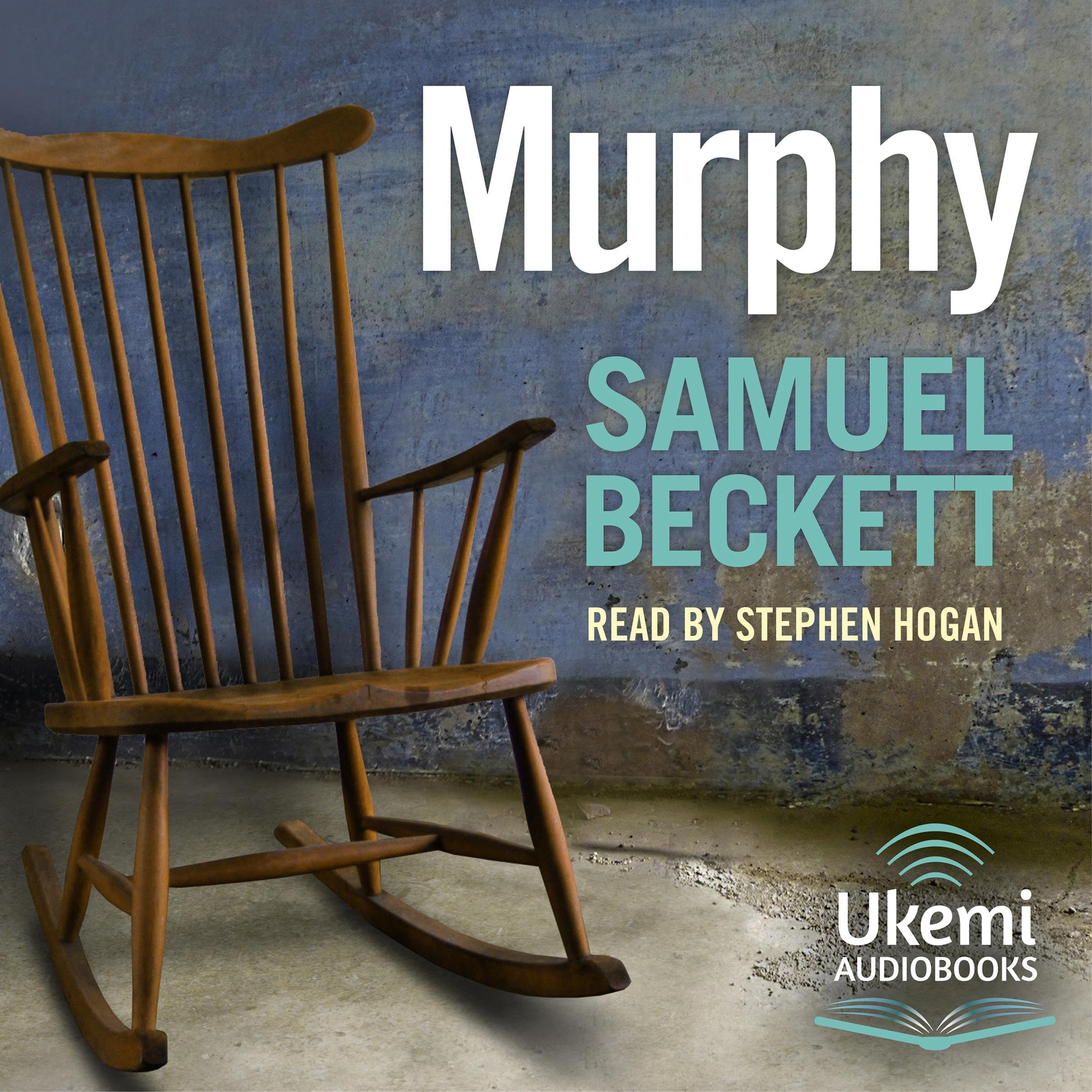
desertcart.com: Murphy (Audible Audio Edition): Samuel Beckett, Stephen Hogan, Ukemi Audiobooks from W. F. Howes Ltd: Audible Books & Originals Review: Bleak but exhilarating - Beckett is not to everybody's taste but he really does put the human condition under the microscope. I can't say that I enjoyed Murphy but I don't see that as a problem. This is challenging writing and Beckett didn't write pot boilers, maybe if he had he would have been more wealthy! If you can tolerate absurdity but thrill at great writing give Murphy a try. Review: A master piece and a very enjoyable read! - A very well written story with superb language. A true classic!
G**2
Bleak but exhilarating
Beckett is not to everybody's taste but he really does put the human condition under the microscope. I can't say that I enjoyed Murphy but I don't see that as a problem. This is challenging writing and Beckett didn't write pot boilers, maybe if he had he would have been more wealthy! If you can tolerate absurdity but thrill at great writing give Murphy a try.
D**N
A master piece and a very enjoyable read!
A very well written story with superb language. A true classic!
T**N
Wildly funny, clever, tantalising, bewildering, moving... All at same time!
There is a French language version of this novel whose translation was overseen by Beckett himself, but I think it is best to read the English-language version as the Hiberno-English flavour and rhythms are essential to the identity of the characters their setting and humours... Rereading Murphy for the first time since my teens (moons ago!) I was struck with the similarity to Flann O'Brien though O'Brien is far less obtuse or morbid, while his At Swim Two Birds, published almost at the same time, is vastly superior in my view. Who would have foreseen Beckett as the future Noble laureate? Murphy is a romp, clever, wildly funny, tantalising, bewildering... All at the same time. It is very enjoyable and its vision of a mad sad world filled with frustrated longing and desire will stay with you.
R**N
Five Stars
The first signpost on a brilliant road.
A**A
Book received in excellent condition before the scheduled date.
S**H
Most difficult of the first novels of my « not-so-friendly » author Beckett.
L**O
Roman mal anders und warum nicht. Mir gefällt die scheinbare Nüchternheit Becketts. Kraftvoll, witzig und zeitlos. Wie bei "Warten auf Godot" beeindruckt die Wahrnehmungskraft.
P**E
Murphy é o resultado de um trabalho de um homem de menos de 30 anos, muito influenciado por Joyce, Racine e Spinoza. É o livro mais engraçado de Beckett; e grande romances cômicos são raros; afirmo, porém, que o leitor vai se alegrar muito com os protagonistas. Para entender a obra é preciso, no entanto, conhecer um pouco da vida do autor. Beckett escreve Murphy em Londres, enquanto se submete a sessões de análise três vezes por semana, ao mesmo tempo, sofrendo e desfrutando da solidão. Beckett aprazia-se de emprestar sentidos metafóricos a uma estória vulgar: o amor de Murphy por Murphy substitui o amor de Spinoza (filósofo) por Deus, e, ao longo do romance, faz repercutir, de modo plangente, a proposição mais expressiva de Spinoza: “devemos aprender a amar Deus jamais esperando a contrapartida do seu amor”. Murphy está sozinho no mundo; o narrador jamais hesita em interromper e interpretar a narrativa, enquanto o pobre Murphy, possui, comparativamente, quase nenhuma força de vontade. Em Murphy, Beckett luta – sem sucesso – para se afastar do protagonista dando-lhe um tratamento que mescla compaixão, paciência e troça. O melhor biógrafo de Beckett – James Knowlson, expressou bem a questão: “Acima de tudo Murphy exprime, de modo radical e bastante focalizado, o impulso de auto imersão, solidão e paz interior, cujas consequências Beckett tentava resolver, em sua vida pessoal e psicanálise.” Chega de biografias; sei que o leitor anseia por saborear o personagem e o livro; e eis que temos um esplendido parágrafo de abertura. A primeira sentença é célebre, e Murphy não está livre. Sete cachecóis prendem-no à cadeira de balanço. Como ele pode escapar do próprio coração? Assim como Beckett (naquela fase) era obrigado a tolerar a pressão materna, para que buscasse algum emprego lucrativo, Murphy é instado por Celia – uma prostituta irlandesa apaixonada por ele – a fazer o mesmo; tudo em vão, até que ela ameaça deixa-lo. Em retrospectiva, o fato de ceder à pressão de Celia marca o início do fracasso de Murphy. Mas onde está a beleza deste romance? Nas palavras! “Quem, até o dia da morte, pode esquecer “as nádegas quentes e amanteigadas” de Miss Cuniham?” E, em todas as alusões de Beckett à dupla advertência de Santo Agostinho, no sentido de evitarmos o desespero e a exultação, pois um ladrão foi salvo e o outro, condenado. Enfim, na penúltima sessão do livro o leitor vai encontrar um parágrafo de um verve terrível sobre cinzas no assoalho, e que vale a pena ler com atenção.
J**N
Doubtless this book is much less popular than it would have been if Beckett had not inserted endless complex words, different languages etc - though it does allude to themes developed in more depth in his later work. Without these it would be a very readable funny book although with dark ending. Despite many attempts to remove impediments to easy reading by potential publishers Beckett held out and the work is the first of his series of "named" novels that go through to the Unnamable. Nevertheless one can see why this is the novel most read by English speaking.
Trustpilot
2 weeks ago
1 month ago